SDIP: a launch website that shows its proof
SDIP is an open-source product of KLCube Network that converts SEG-Y seismic data to chunked Zarr arrays and proves nothing changed. Its launch website had to convince sceptical engineers in seconds.
SDIP
Scope
- Client
- SDIP, an open-source product of KLCube Network
- Sector
- Seismic data software
- Scope
- Design and development
- Year
- 2026
- Location
- Kuala Lumpur, Malaysia
- Live site
- sdip.dev
What the site had to do
The visitors are geophysicists, seismic data engineers and machine learning engineers, sceptical by trade. SEG-Y was written for magnetic tape, and converting it is where data can quietly break.
The page had one job: show the file plus its proof within a few seconds, and lead the visitor to the code. Every claim on it had to be checkable.
What we built
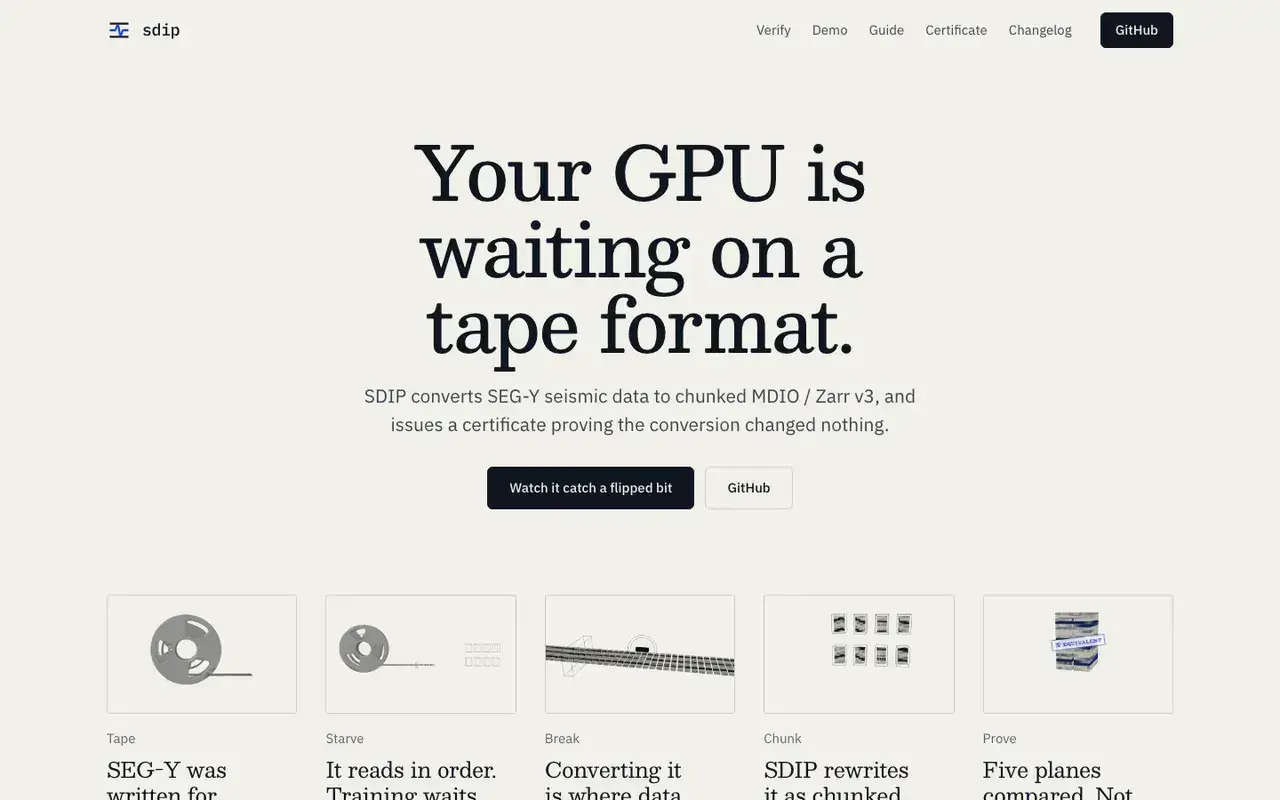
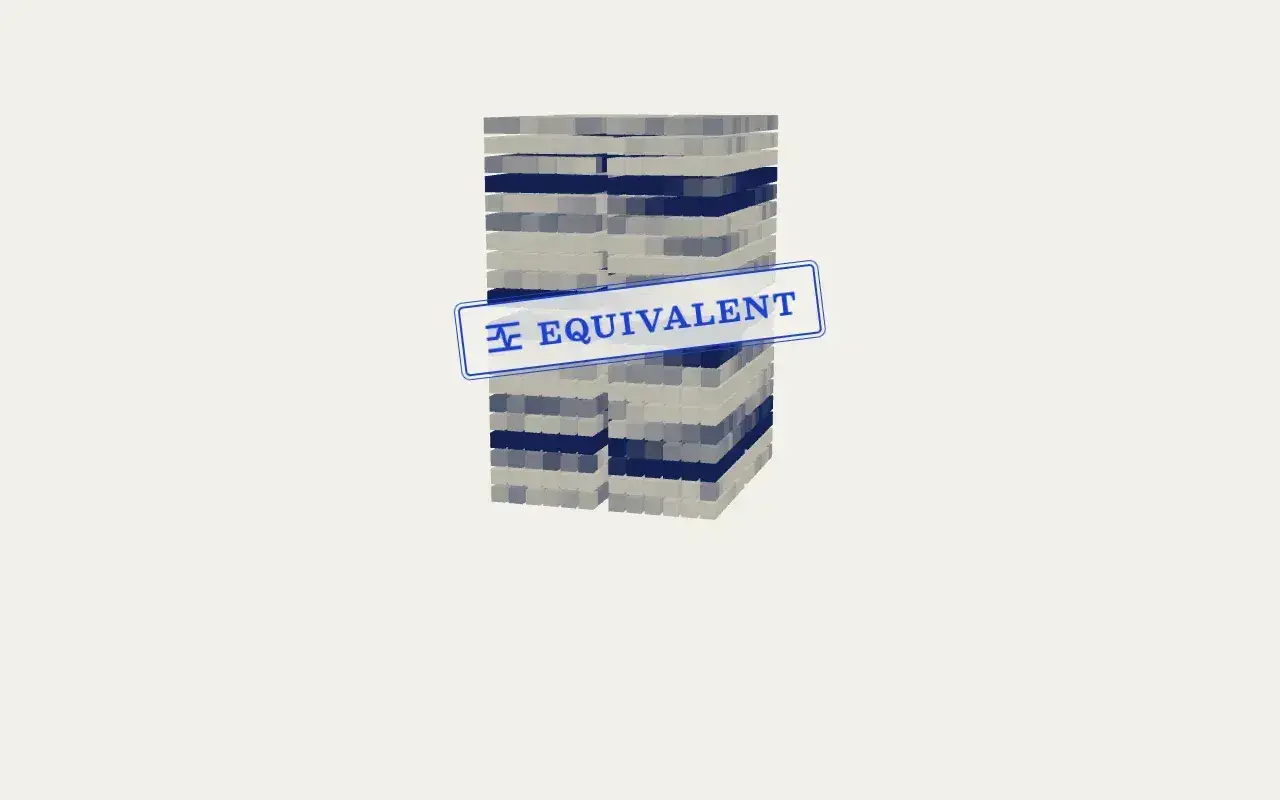
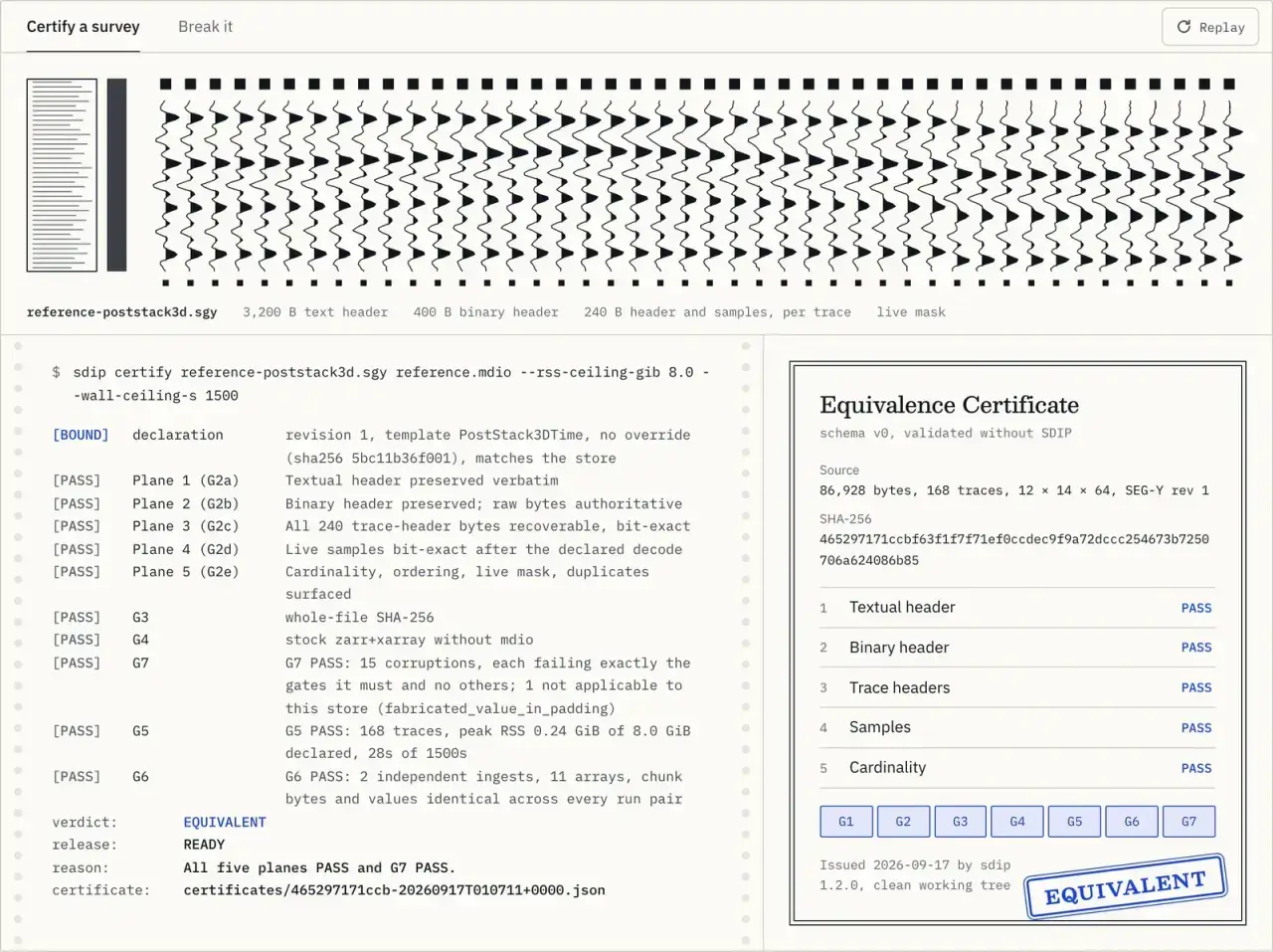
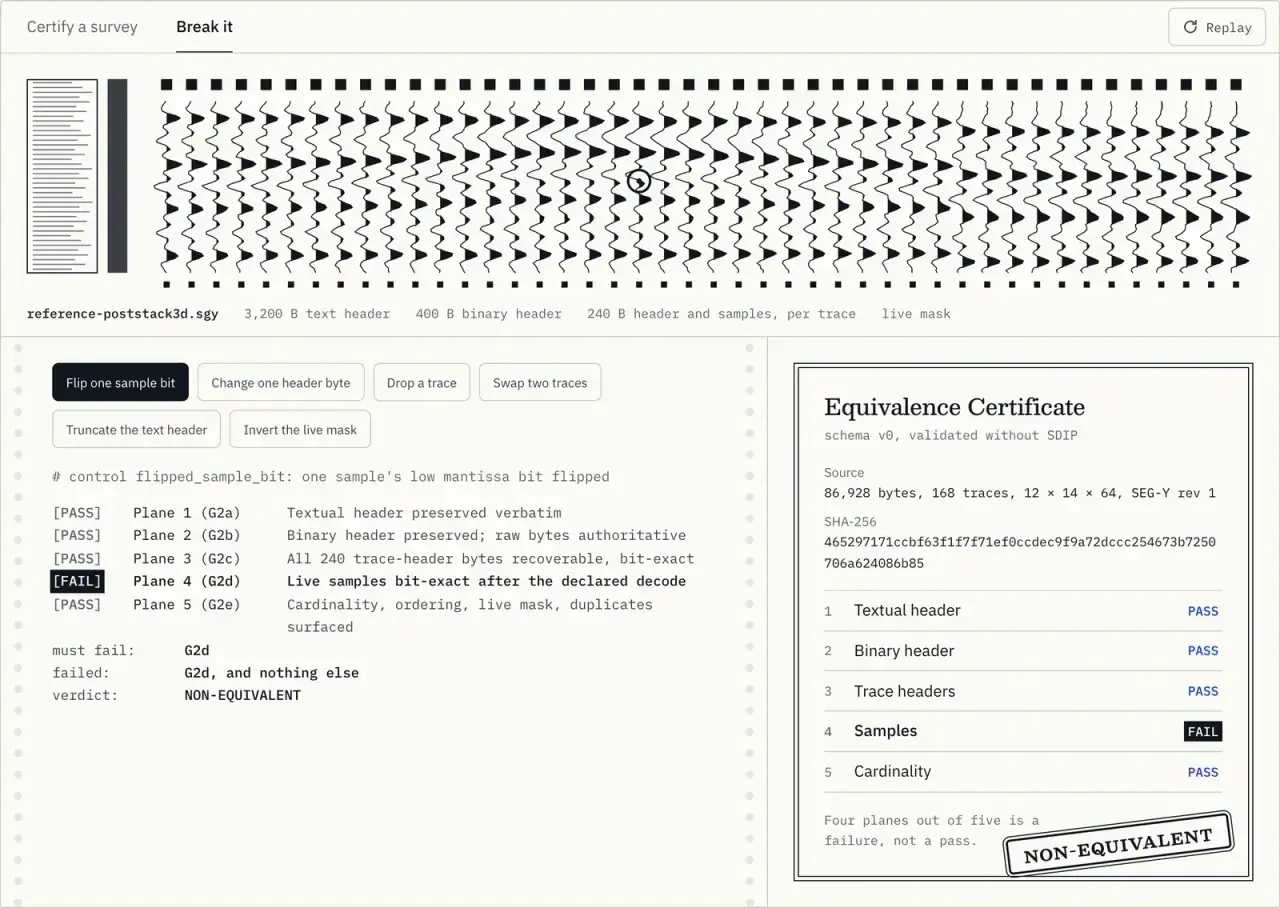
SDIP issues an Equivalence Certificate, a machine-checkable proof that the conversion changed nothing. The website is built like a record of that proof: it tells the story in five scroll beats, then lets the visitor check a certificate in their own browser.
The honesty rules were written first. Every number comes from a published certificate or the project’s own documentation, there are no speed claims until a measurement exists, no comparison with other tools, and the animated scene is labelled as an illustration.
Phones that cannot keep the 3D scene smooth, and visitors who ask for less motion, get five still frames with the same captions.
What it includes
One clear action
A launch website with one clear action: open the code.
A five-beat 3D scroll story
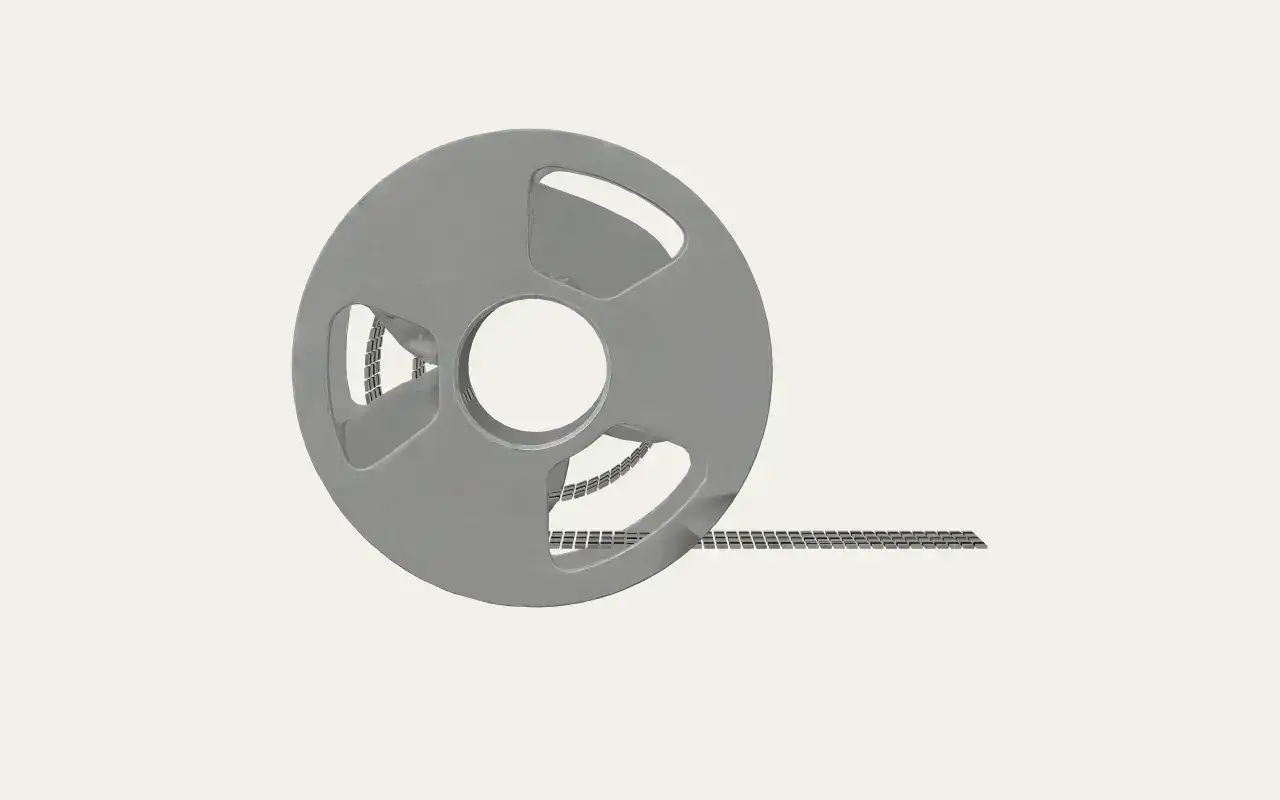
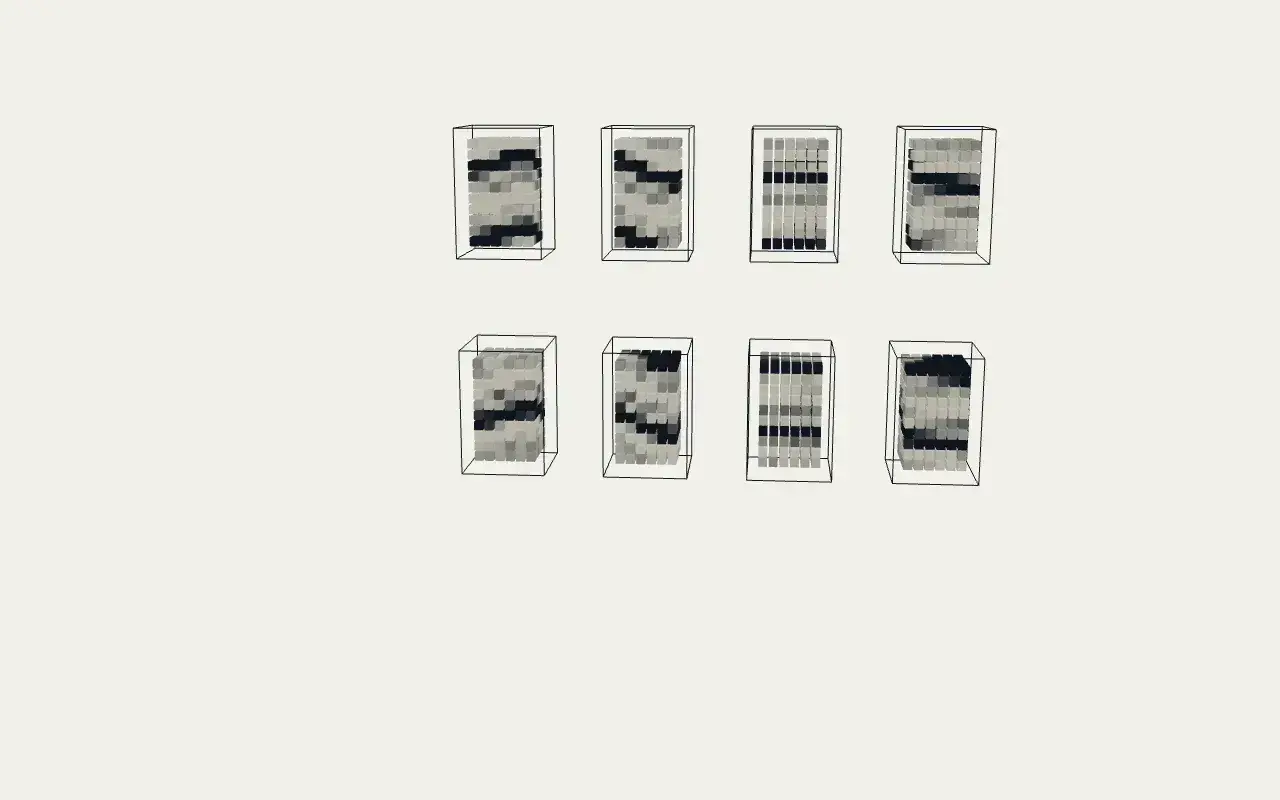
One 3D object of 3,360 cells moves through five beats and is never replaced, from a tape reel to a sealed, proven volume. The beats are Tape, Starve, Break, Chunk and Prove.
Still frames for phones and reduced motion
Five still frames with the same captions replace the 3D scene on phones that cannot keep it smooth and for visitors who ask for less motion.
Certificate checker
A certificate check that runs in the browser, offline, against the published schema. It still works with the network off after loading.
Scripted demo
A scripted demo of a certificate passing, and of one flipped bit failing. It is labelled as a scripted illustration, not a live run.
Guide and reference pages
Guide, certificate, changelog and author pages.
Tested across screens
Tested at 375, 768, 1024, 1280, 1440 and 1920 px, with no sideways scrolling on any page. A scroll fault in a phone app browser was found, fixed and re-tested on a real phone.
The whole page, top to bottom
Measured results
- Page speed score, phone
- Performance 100, accessibility 100
- Source: zahidaramai.com/case-study/sdip
The score above is the only measured result we publish for this site. We state no traffic, download or adoption figure.
Services behind this work
The services this project falls under.
See it for yourself
- Visit the live site sdip.dev
More case studies
Need a launch site that proves its claims?
Send a short brief. We reply within 8 working hours.
What happens next
- You send a brief, or a message on WhatsApp.
- We reply within 8 working hours with questions or a time to talk.
- You receive a written proposal with scope, milestones and price. It is valid for 30 days.